About the Choir
www.rastislav.cz
rastislav@rastislav.cz
Vit Kubena - 724 365 384 (EN, DE)
HISTORY à la “staccato”
26 December 1862 – Blansko, the inn “U Slovana” – founding of the RASTISLAV association (founders: Jindřich Wankel, Hynek Vondráček; honorary chairman: Hugo Karel František, Prince and Count of Salm-Reifferscheidt-Raitz)
1863 – Blansko, first musical performance
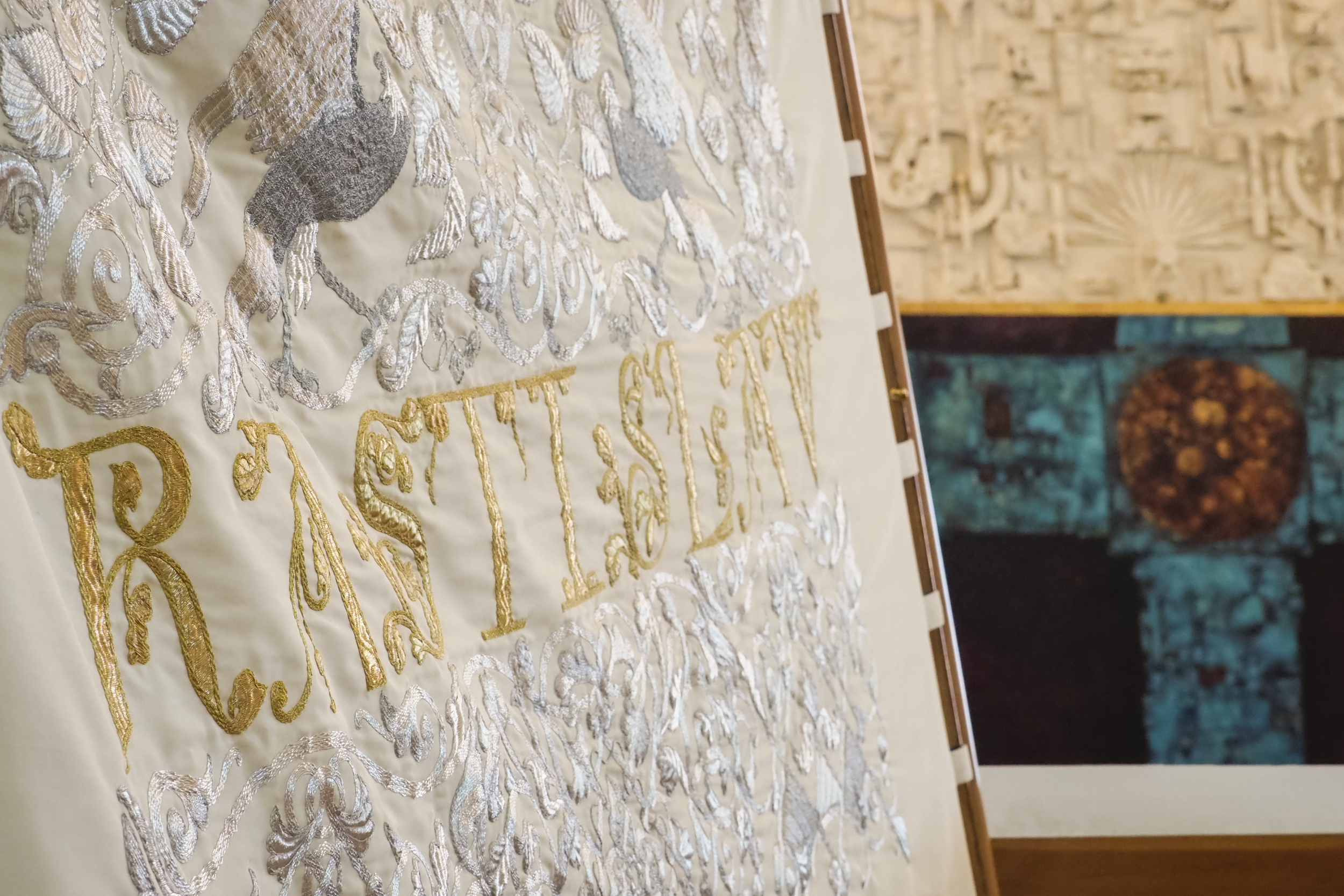
1864 – Sloup, consecration of a rare embroidered banner by the renowned Czech painter Josef Mánes
1920 – dissolution of the association
1920–1969 – vocal ensembles continuing the tradition of RASTISLAV: Sokol Choir Blansko, Lumír, Workers’ Choir, Choir of the Athletic Football Club Blansko, Klubko, Blansko Trio, Mladý Dimitrovec (1959–1965)
1965 – Men’s Choir ZK ROH ČKD Blansko
1969 – the name RASTISLAV re-adopted
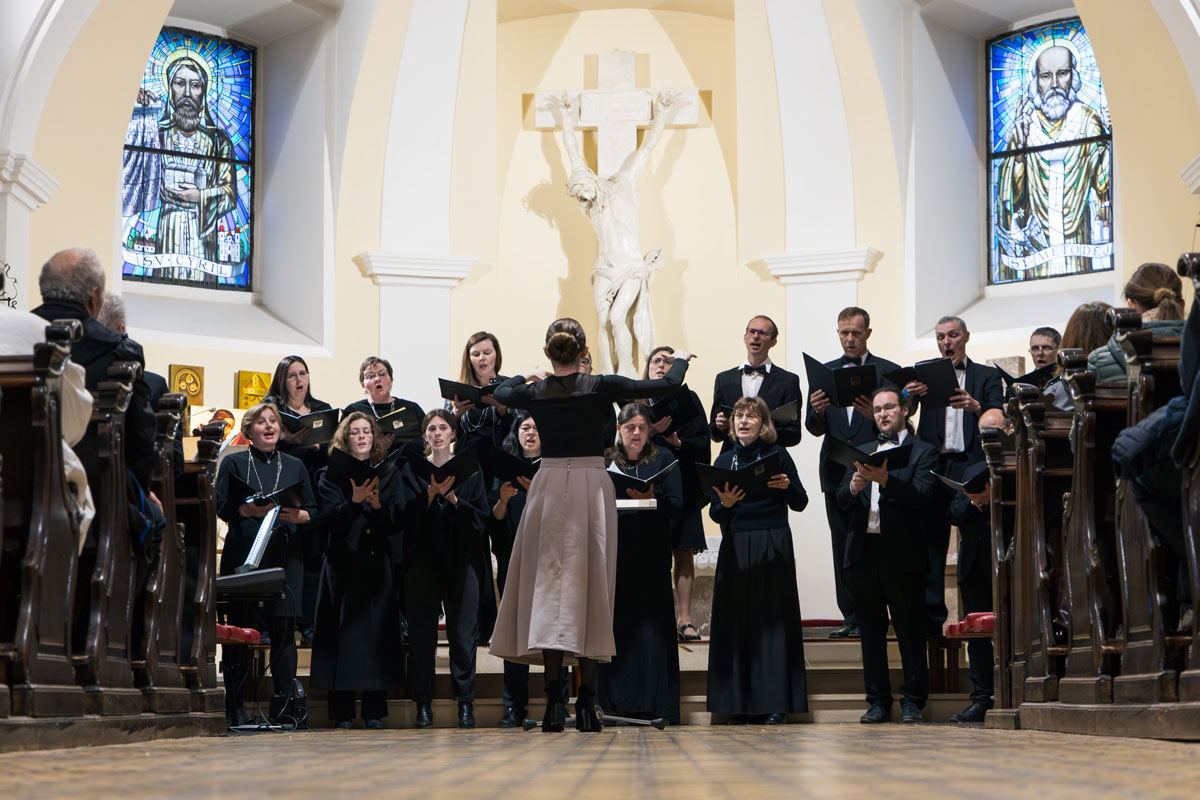
1970 – inclusion of a women’s section – new name: Mixed Choir RASTISLAV ZK ČKD Blansko
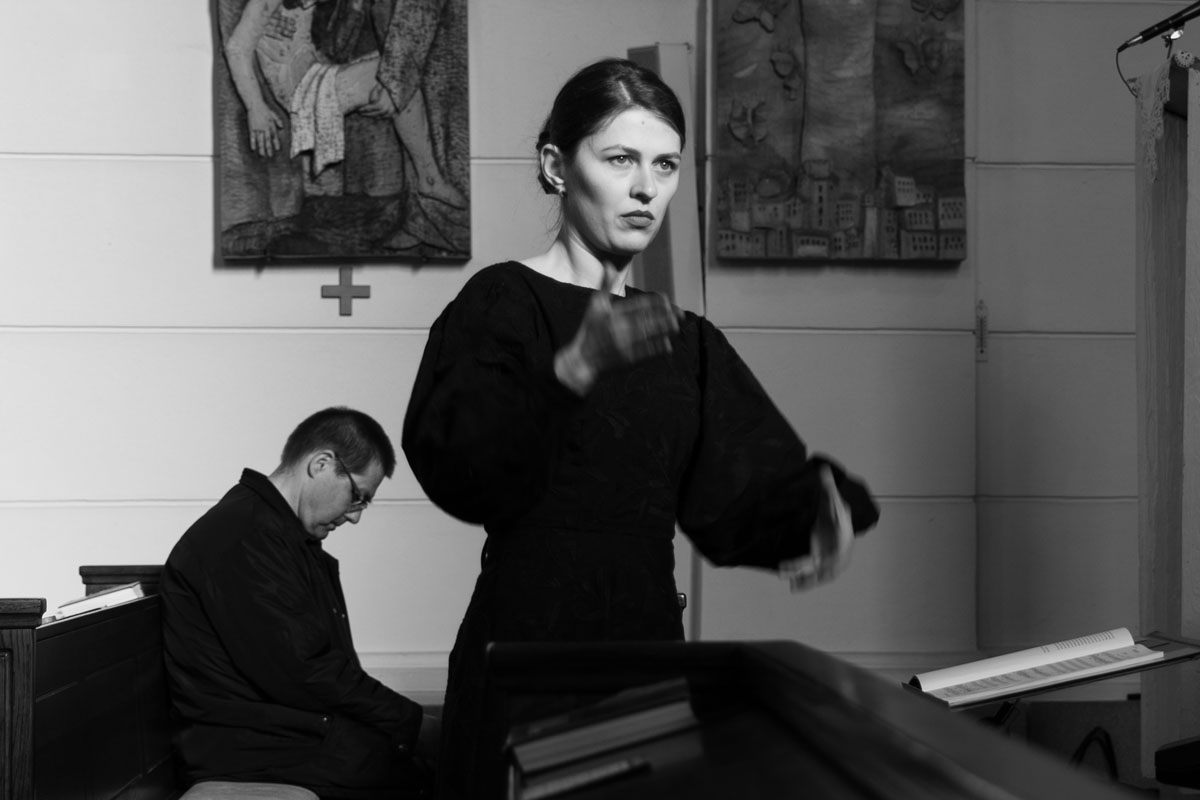
1971–1979 – conductor Prof. Karel Hradil
1979–1983 – conductor Prof. Jaroslav Dostalík
1986 – chief conductor Jaroslav Martinásek
1992 – Prague, Rudolf II Prize awarded to J. Martinásek
1993 – City of Blansko Prize awarded to J. Martinásek
1998 – replica of the Mánes banner (owned by the city)
2002 – ceremonial blessing of the banner replica
2006 – collaboration with Thomas Frank (Wiesbaden)
2007 – premiere of the series “R for Children”
2008 – tour and recording for Czech Television in Rome
2009 – collaboration with Andreas Sagstetter (Waldsassen)
2010 – foundation of the children’s section “Slávčata”
2012 – 150th anniversary of the founding of RASTISLAV
2014 – Mikulov – South Moravian Region Prize awarded to Jaroslav Martinásek by the President
2016 and 2021 – performances at the national music festival “Smetana’s Litomyšl”
2019 – Blansko, Bedřich Smetana Prize awarded to Jaroslav Martinásek
1862 – 1920: Through song to the heart, through the heart to the homeland
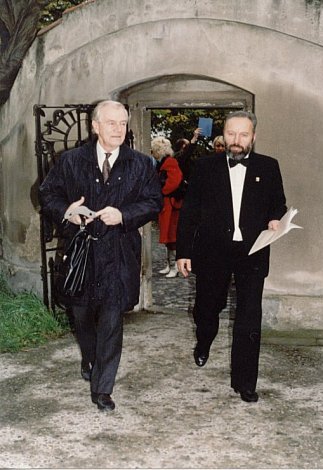
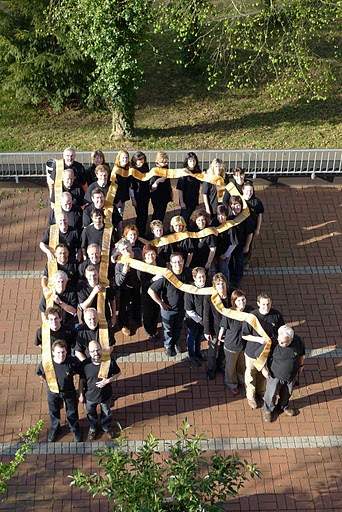
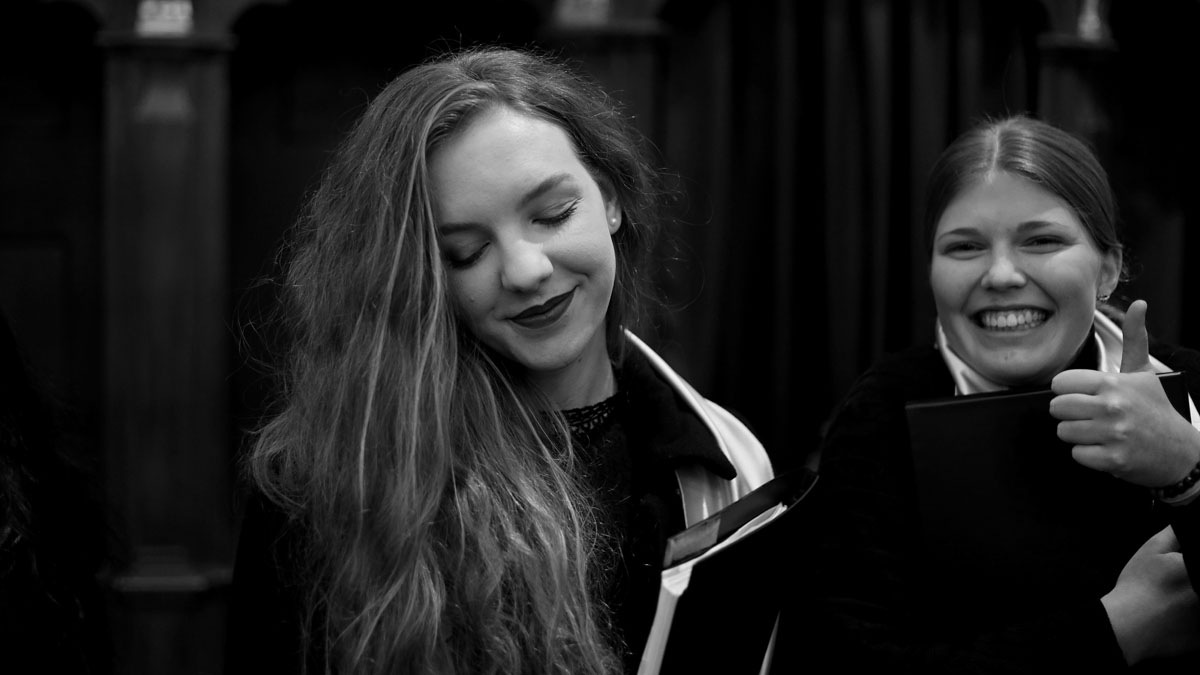
1920 – 1969: Tradition of singing in Blansko
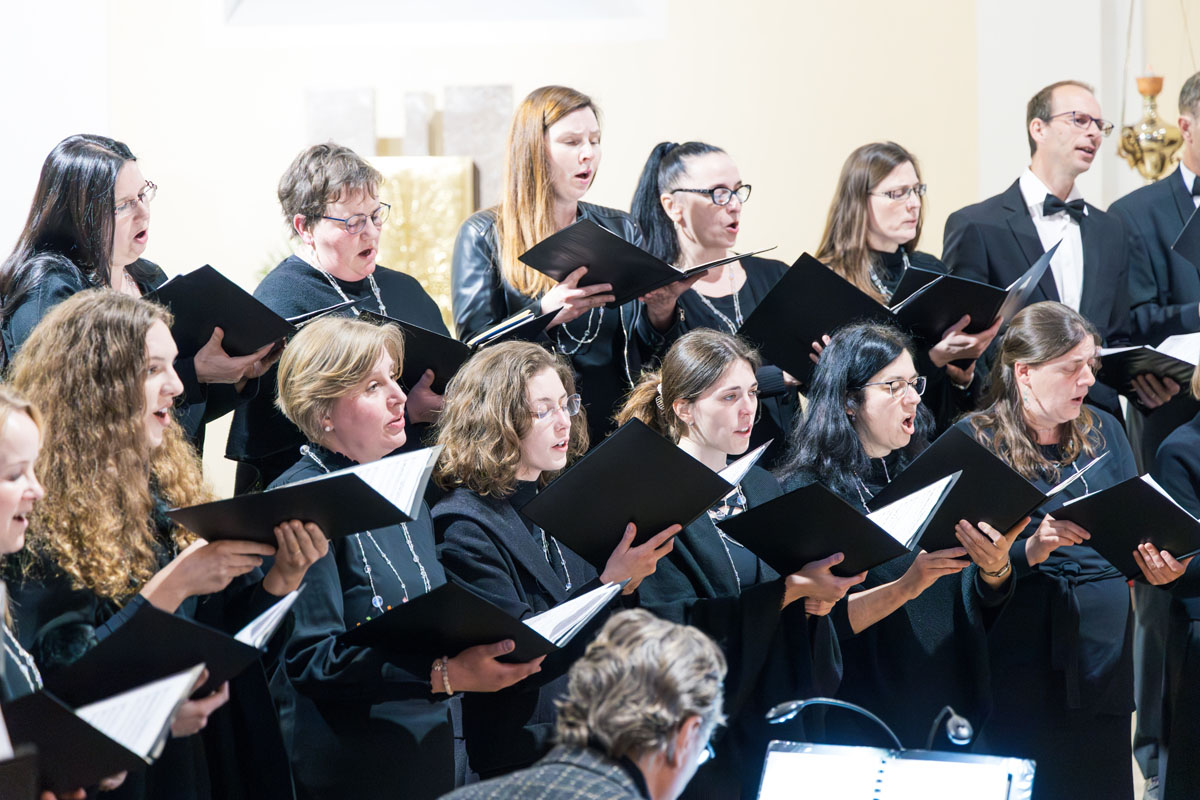
1969 – 1985: Revival of the Rastislav Choir
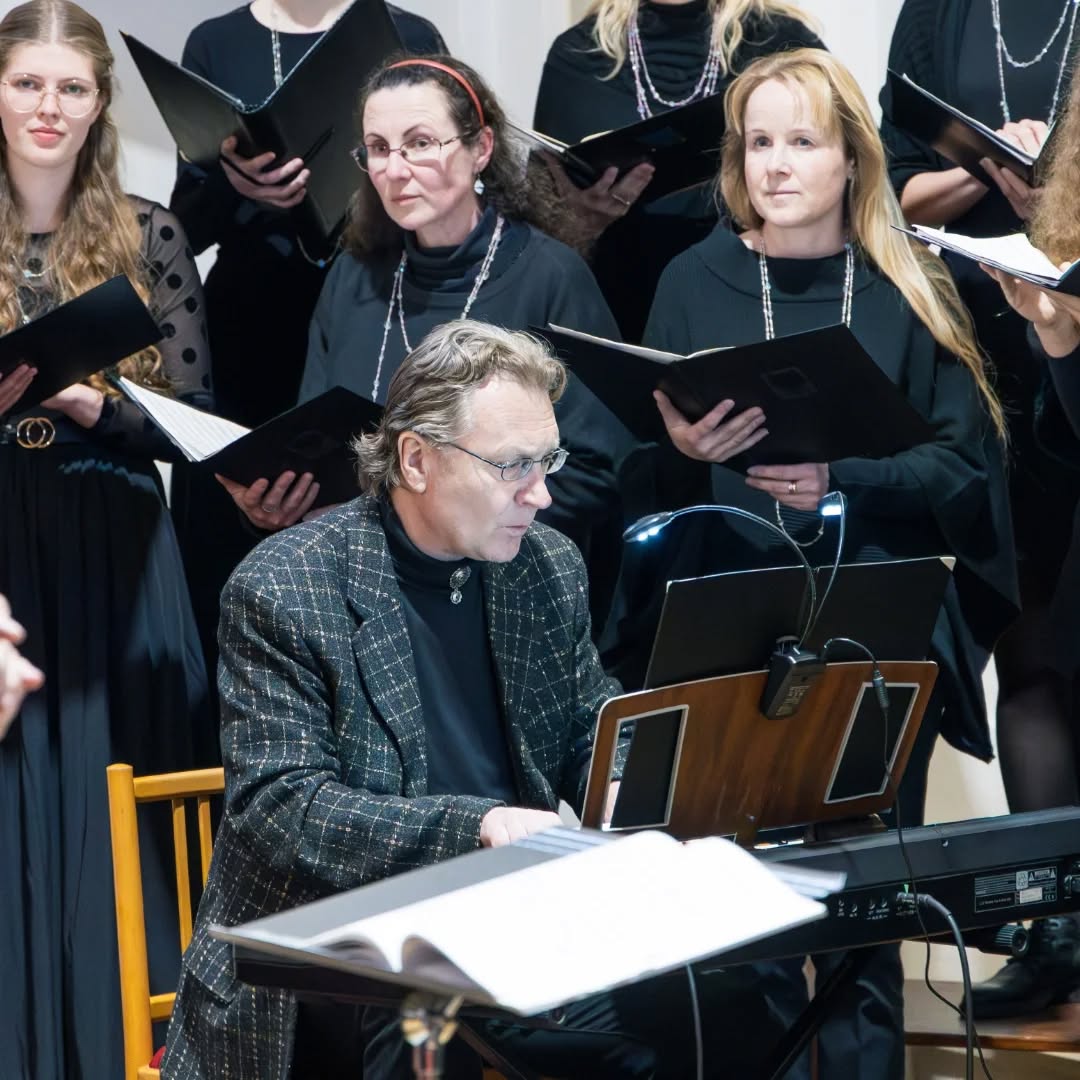
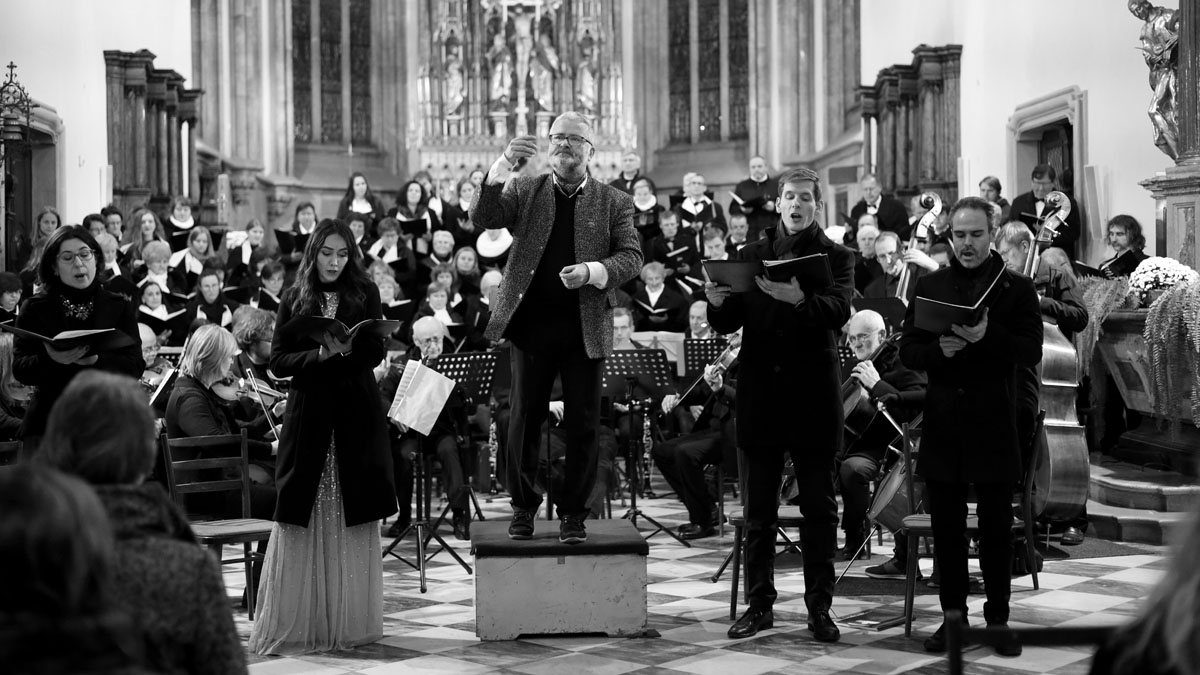
from 1986: Music for the Soul
The Banner of the Blansko “Reading and Singing Association Rastislav”
The author of this banner is the Prague patriotic painter – and friend of Wankel – Josef Mánes. Unlike his other banners, it was not painted in oil, but hand-embroidered on both sides with gold, silver, and red threads on heavy French silk. The ceremonial consecration of the RASTISLAV banner by Mánes took place on 14 August 1864 in Sloup as a grand national manifestation, attended by large numbers of people not only from the surrounding area but from all over Moravia, Bohemia, and Slovakia. After fulfilling its educational and patriotic mission, and with the establishment of the Czechoslovak Republic in 1918, the RASTISLAV association disbanded, and in 1920 the banner was donated to the Moravian Museum in Brno.
Josef Mánes’s banner for the RASTISLAV association is unique in Moravia and the most beautiful of all ten banners he created. He felt honored by this commission. He prepared the final designs for the embroiderers, whom he personally selected and supervised. The banner is double-sided, rectangular in shape, measuring 197 × 193 cm. The front side bears an embroidered Moravian eagle; the reverse side carries the inscription RASTISLAV. The materials used include silk and gold and silver bullion thread. At the top of the staff, decorated with several gemstones and Bohemian garnets, sits a silver Moravian eagle with outstretched wings. The last opportunity to see the deteriorating original banner was on 11 October 1998 in the church in Sloup, where the choir performed Mozart’s “Coronation Mass” (video recording). It was then returned to storage in the Moravian Gallery in Brno.
A replica of the Mánes banner was produced by the company “VELEBNÝ & FAM.” in Ústí nad Orlicí at nearly a 1:1 scale. It can be seen at selected choir concerts. It is permanently displayed in the premises of the Blansko Municipal Library. The ceremonial blessing of the new banner of the RASTISLAV Choir took place during a performance of Rejcha’s “Te Deum laudamus” on 16 June 2002 in the Kůlna Cave in Sloup.